Lifestyle & Culture
Kanazawa as a second base: a place in Japan beyond Tokyo
As time spent in Japan lengthens, some families begin to consider a second base outside Tokyo. Using Kanazawa as an example, this note looks at what such a place offers and the questions worth settling first.
· 6 min read
Why look beyond Tokyo
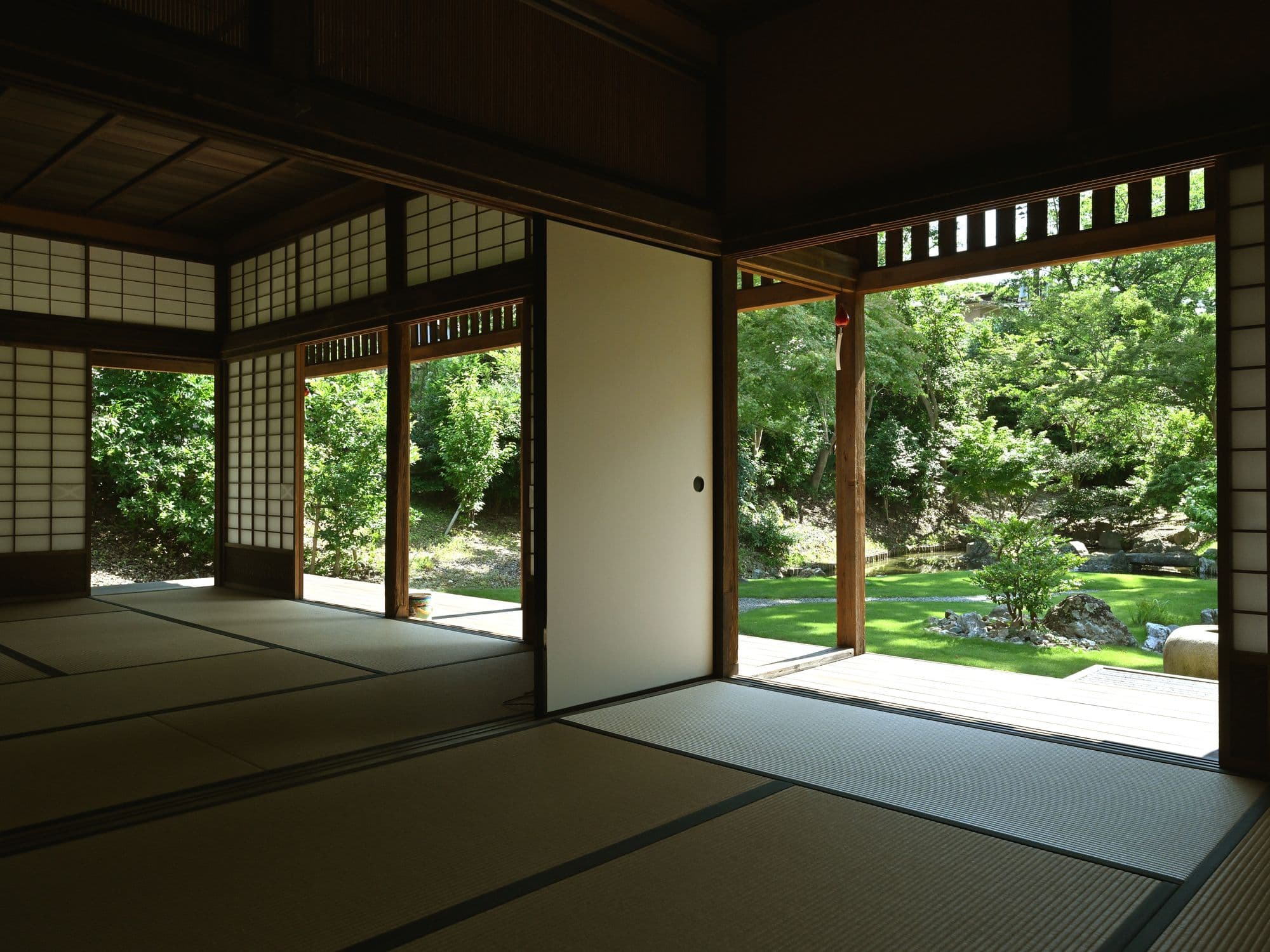
For many families from Taiwan, a first base in Japan is in Tokyo, and for good reason: the density of transport, medical care, schooling and business makes it a sensible starting point. Over time, however, as the weeks spent in Japan lengthen, or as a family’s attention moves from the asset itself to the texture of daily life, some begin to consider a second base. It is a place chosen less for convenience than for its seasons, its food, its crafts and a certain human scale. It does not replace Tokyo. It adds another rhythm to time in Japan.
Kanazawa as an example
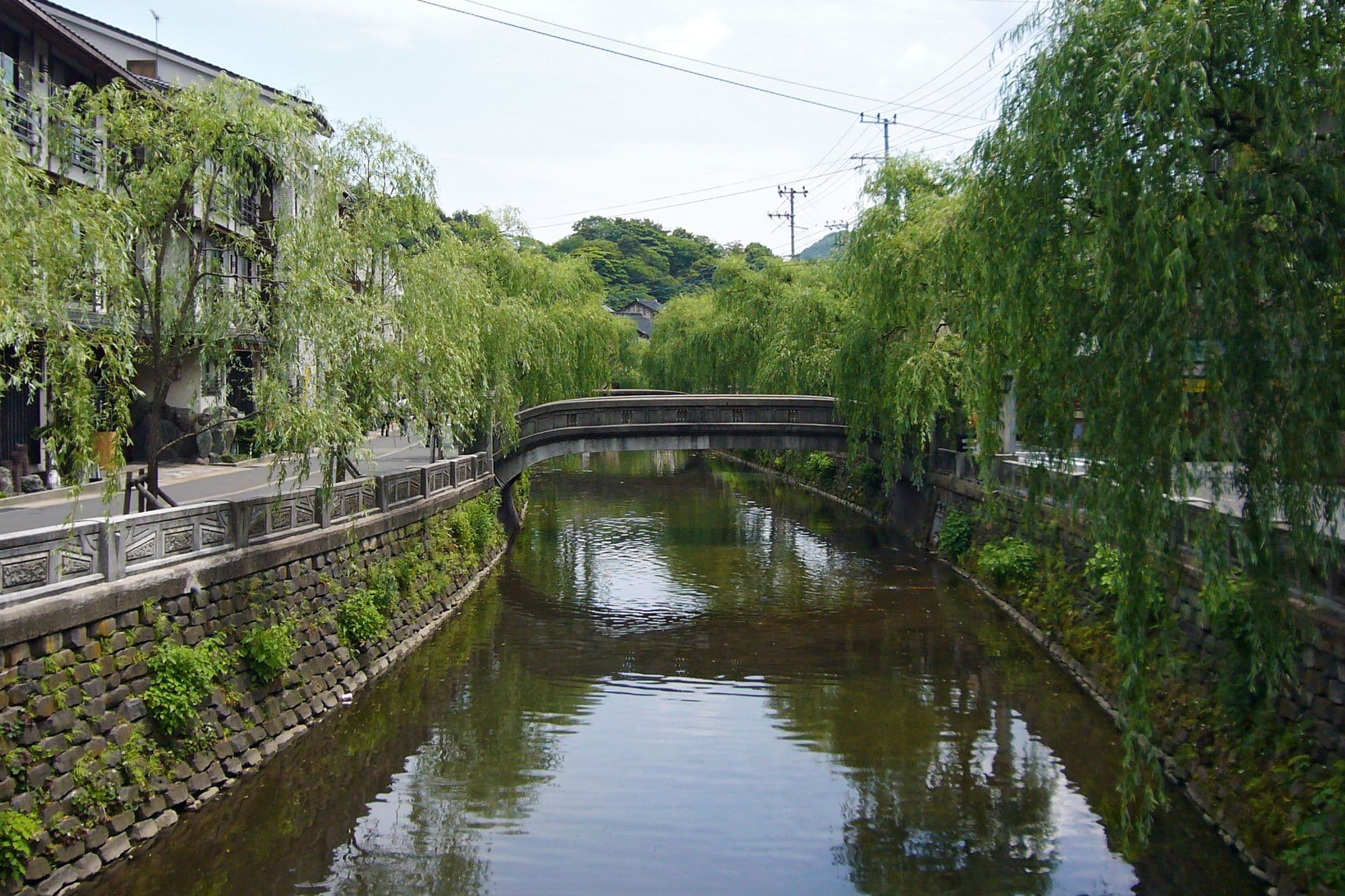
Kanazawa, on the Hokuriku coast, is often mentioned in this context. The street pattern of the old castle town survives, and the teahouse districts, samurai residences and gardens remain part of the everyday landscape. Lacquer, gold leaf and Kutani porcelain are not confined to museums; workshops are still active and artisans still at work. Fish from the Sea of Japan and the culinary tradition of the former Kaga domain bring each season directly to the table. The city is compact enough that most of daily life lies within a walk or a short ride, and the Hokuriku Shinkansen makes a return trip to Tokyo possible within a day. The company that operates this site is based in Kanazawa, which is one reason we use it as an example; the same questions apply equally to Kyoto, Matsumoto, Takayama or other regional cities.
Questions to settle before choosing
- Purpose: holidays, family gatherings, cultural experience for children, or a longer stay in future
- How often and for how long the family expects to stay, and whether visits cluster in one season
- Who will see to ventilation, cleaning, equipment and emergencies while the house is empty
- The relationship with neighbours and the local community, and willingness to take part in its customs
- Climate, in particular winter snow, snow clearing and the insulation of the building
- Access from airports and Shinkansen stations, and the distance to medical care
Management, community and a pattern that lasts
A regional house left empty is more exposed to damp and snow, and its care needs to be arranged in advance more carefully than for a Tokyo apartment. Local life also has its own rhythm: neighbourhood associations, festivals and the unspoken courtesies between neighbours shape the experience of living there in ways a property description does not capture. Before deciding, it is worth staying in different seasons, seeing the winter sky and the summer humidity at first hand, and noticing whether the family genuinely returns. Some families rent or use long-stay accommodation for a few years before considering a purchase; others deepen their ties through crafts and food first and feel no hurry to own a house at all. No single approach suits every family. Our role is to help put the questions in order and, where needed, to involve qualified professionals in each field, who advise within the scope of their own practice.
This note is general information and is not tax, legal, investment or immigration advice. Circumstances differ from case to case and rules change over time, so any decision should be confirmed with qualified professionals in the relevant field.