Lifestyle & Culture
Owning a ryokan, and the culture that comes with it
A ryokan is a lodging business, but it is also a culture woven from hospitality, cuisine, the seasons and a town. This note considers what that means for a family weighing an acquisition, and the responsibilities that follow.
· 7 min read
More than a place to stay
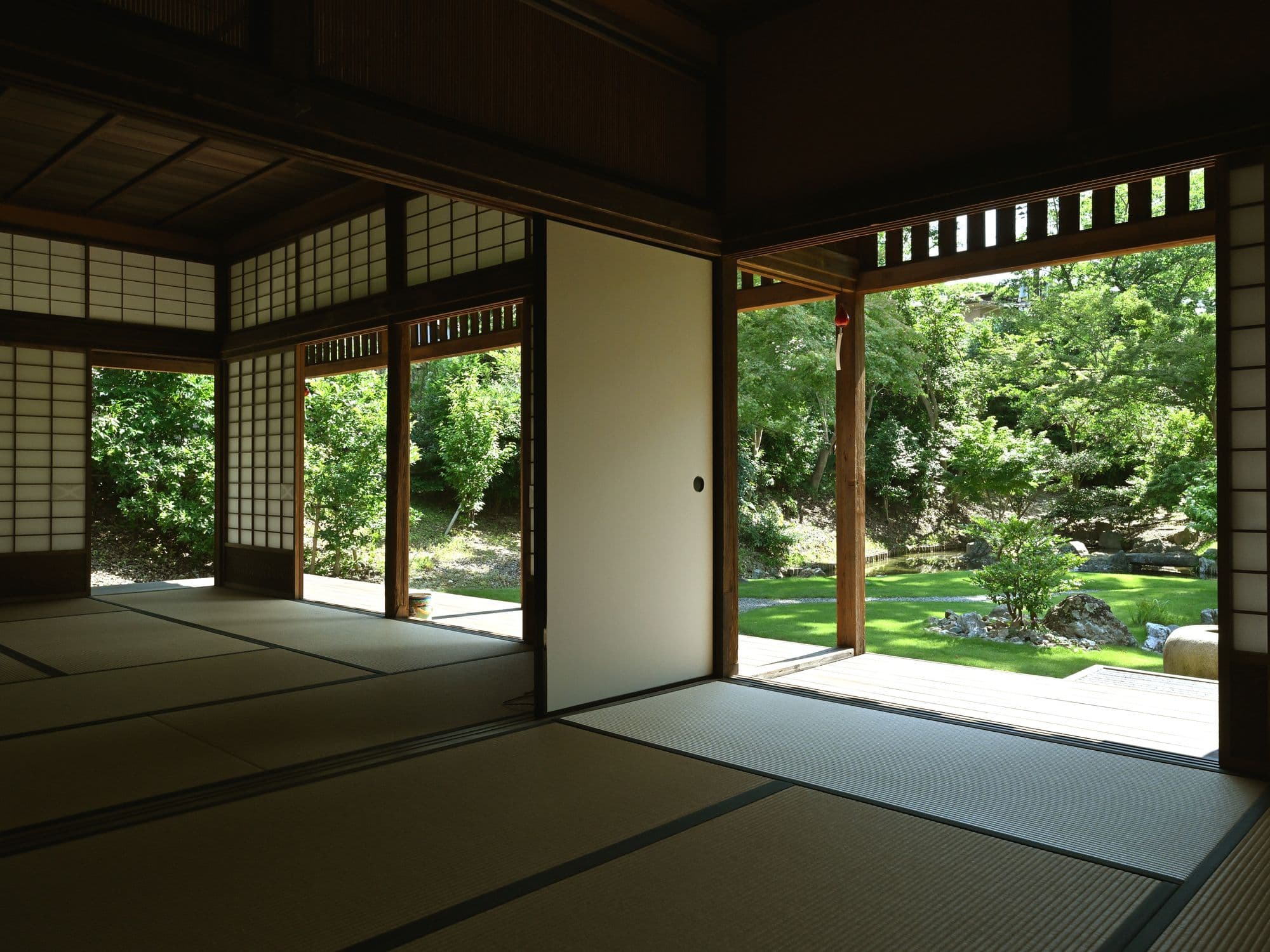
In Japan, ryokan and hotels fall within the same lodging regime, but as cultural institutions they differ considerably. A ryokan is built around the guest room. Guests dine, rest and sleep on tatami, and the day follows a familiar sequence: the welcome, the bath, dinner, the laying out of bedding, and breakfast. The whole is what is meant by omotenashi. It is not a standardised service script but a careful response to each guest, to the season and to the weather of that particular day. At its centre is often kaiseki cuisine, in which ingredients change with the season, and the vessels, the presentation and even the scroll and flowers in the alcove change with them. This is why the value of a ryokan is hard to measure by room count and facilities alone.
Much of this rests on the okami, the proprietress. She receives and sees off guests, reads the atmosphere of each room, joins the kitchen to the front of house, and represents the inn to the outside world. An okami and a head chef are formed over many years, and their judgement and relationships are written in no document. When ownership changes, whether these intangible elements continue is often harder to assess than the condition of the building.
An inn and its town
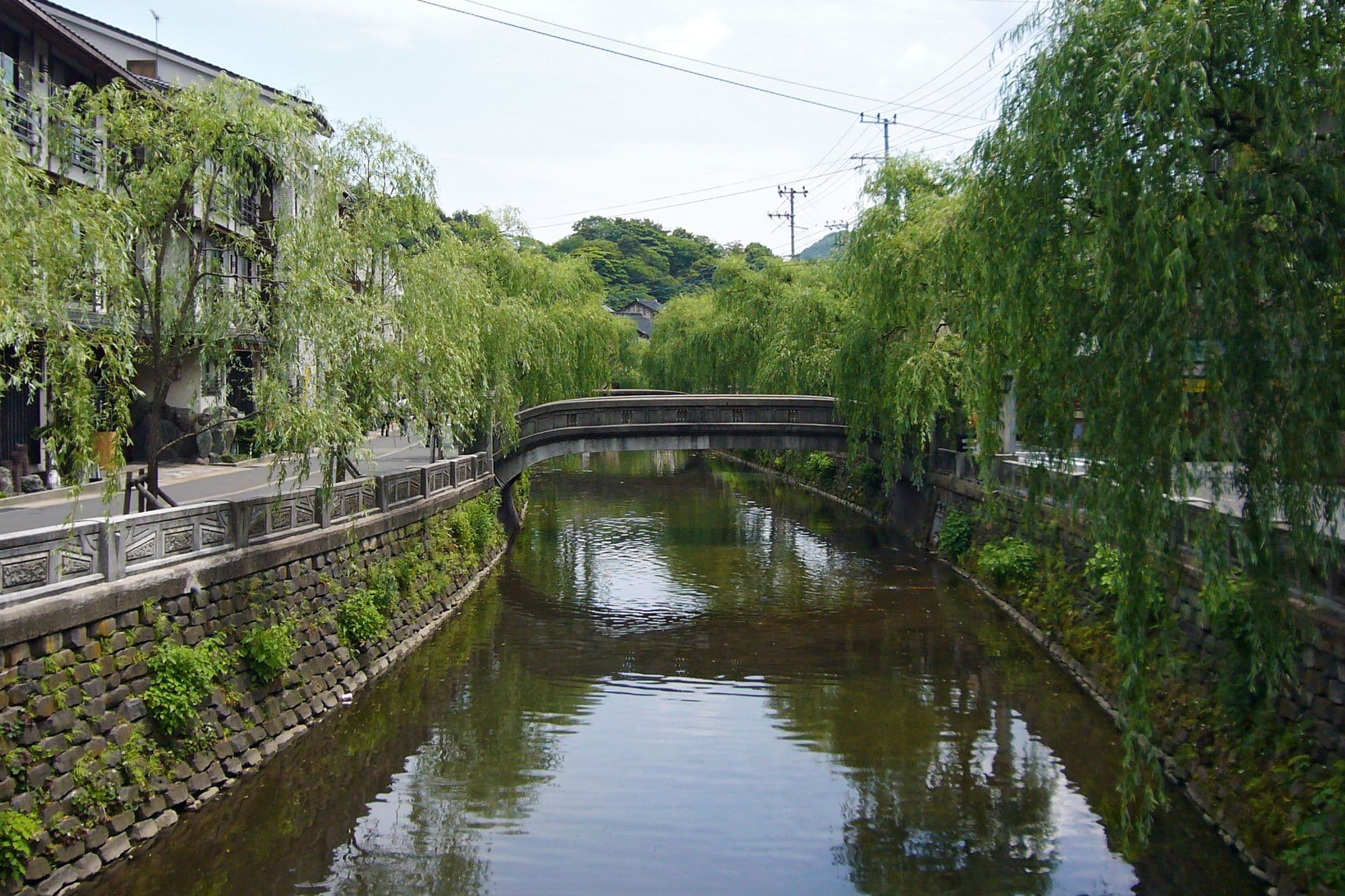
A ryokan rarely stands alone. In a hot-spring town or an old quarter, it has long relationships with sake brewers, fish markets, farmers, potters, florists and other inns, and it often takes part in festivals and local events. Much of what a guest experiences as the ryokan is in fact the town itself. Locally, the question of who owns an inn is received quietly, but seriously.
What to understand before acquiring
- Who carries the hospitality, and whether the okami, head chef and key staff wish to stay
- Whether ties with suppliers of food, ceramics, textiles and other crafts rest on contracts or on long-standing trust
- The age and renovation history of the building, and the balance between preserving its character and meeting current standards
- The actual shape of relationships with any hot-spring association, the neighbourhood and local tourism bodies
- The role the family wishes to play: owner, participant in operations, or something in between
To acquire a ryokan is to take on, at the same time, the livelihoods of its staff, the work of its suppliers, the years held in its building and the expectations of its town. That responsibility is not discharged at completion; it continues with every season. Some families keep the existing team and its ways, adjusting only where necessary and gradually. Others first come to know the inn through a role in operations or a collaboration, and only then consider how to hold it. In either case, spending several nights there before deciding, visiting in different seasons and talking with the people who work there often reveals more about an inn than any document. Depending on the matter, we involve qualified professionals in each field, who advise within the scope of their own practice.
This note is general information and is not tax, legal, investment or immigration advice. Circumstances differ from case to case and rules change over time, so any decision should be confirmed with qualified professionals in the relevant field.